




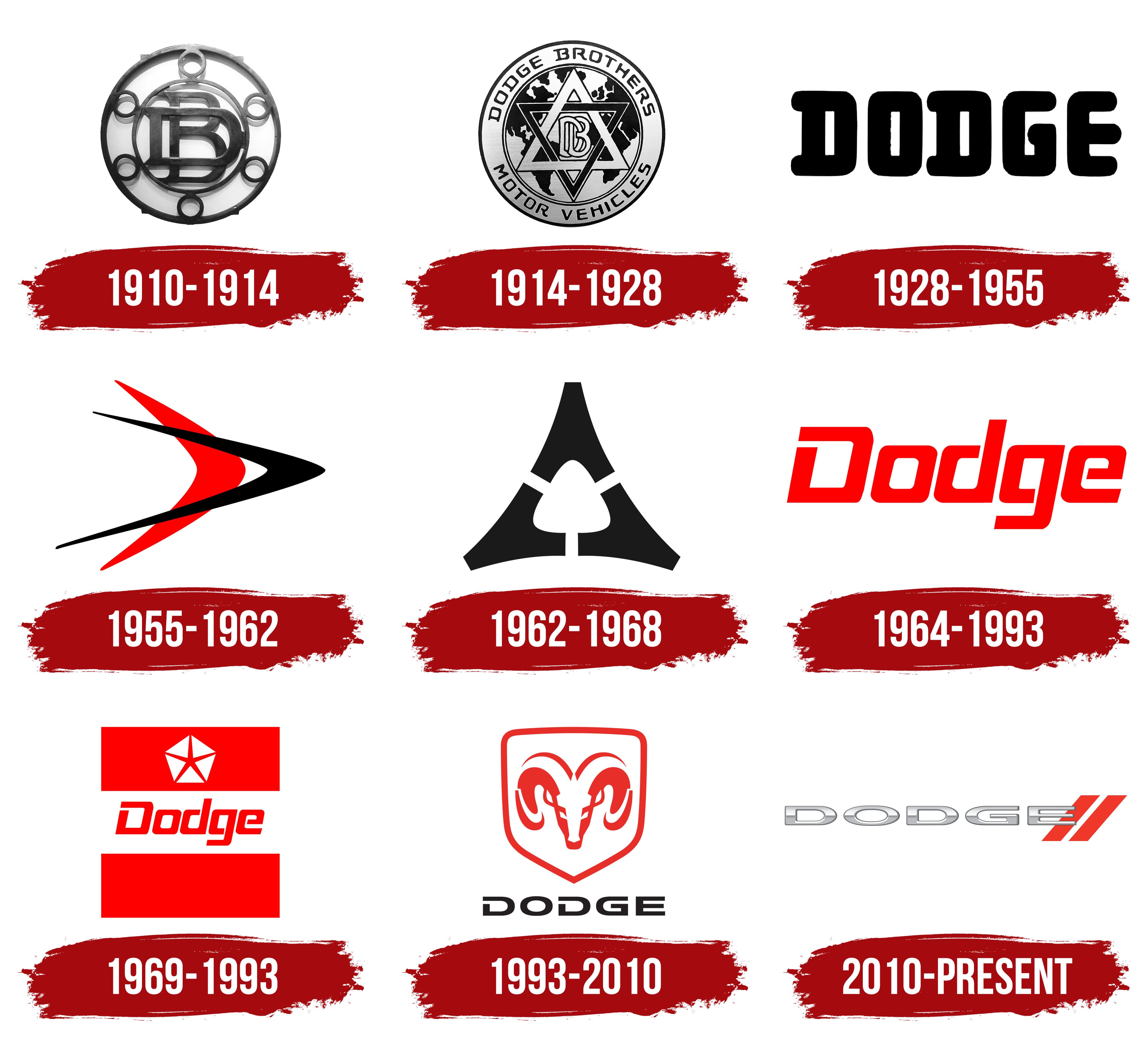
Dodge is an American brand of automobiles and a division of Stellantis, based in Auburn Hills, Michigan. Dodge vehicles have historically included performance cars. For much of its existence, Dodge was Chrysler's brand above Plymouth.

Founded by brothers Horace Dodge and John Dodge in the early 1900s, Dodge was originally a supplier of parts and assemblies to Detroit-based automakers like Ford. They began building complete automobiles under the "Dodge Brothers" brand in 1914. The factory located in Hamtramck, Michigan was the Dodge factory from 1910 until January 1980. John Dodge died from the Spanish flu in January 1920 and Horace died in December of the same year. Their company was sold to Chrysler in 1928.
The Dodge brand endured multiple ownership changes at Chrysler from 1998 to 2009 and in 2011, Dodge and its sub-brands, Dodge Ram and Dodge Viper, were separated.
Back to the Dodge brothers: Horace and John Dodge founded the Dodge Brothers Company in Detroit in 1900, and quickly found work manufacturing precision engine and chassis components for the growing number of automobile firms. Henry Ford selected the Dodge brothers to supply a wide range of components for his original Model A and Henry offered the Dodge brothers a 10% share in his new company in return for goods. In 1902, the brothers won a contract to produce transmissions for Oldsmobile upon which they built a solid reputation for quality and service. They rejected a second contract from Oldsmobile in 1903, to retool their plant to manufacture engines for the Ford Motor Company.
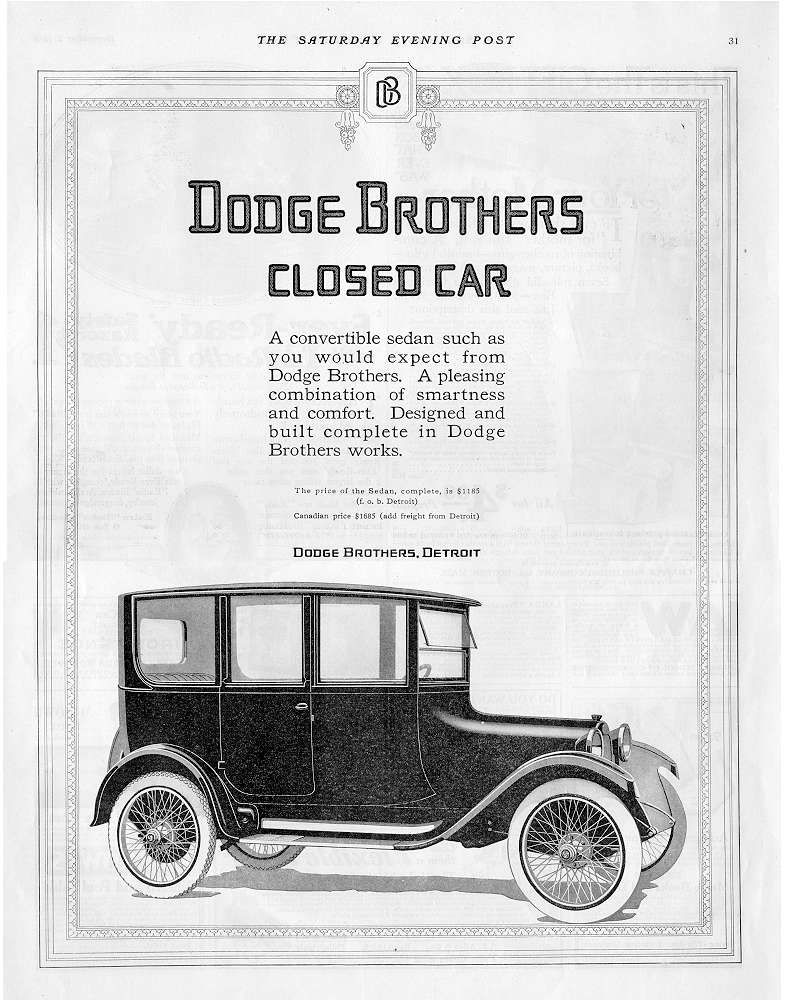
The Dodge Brothers Motor Company was established in 1913 and by 1914, John and Horace designed and introduced the first car of their own – the four-cylinder Dodge Model 30-35 touring car. Marketed as a competitor to the Ford Model T. Dodge received a good reputation for the highest quality truck, transmission and motor parts they made for other successful vehicles, and the Dodge Brothers cars were ranked second in U.S. sales.
Also in 1916, Dodge vehicles won an award for their durability in military service. Touring cars were used as staff and reconnaissance vehicles in the service regularly. Subsequently, some 12,800 Dodge cars and light trucks were used in World War I. Dodge remained the United States military's primary supplier of light-wheeled vehicles until the U.S. joined the Second World War.
After the loss of both founders in 1920, the Dodge Brothers Company was left in the hands of their widows. Dodge Brothers eventually expanded its truck line and became a leading builder of light trucks. Despite this, Dodge Brothers' sales had dropped to thirteenth place in the industry by 1927, they began looking for someone to buy the company. Dodge was sold to the new Chrysler Corporation in 1928.
Chrysler successfully purchased Dodge to gain the Dodge Factory and dealership network so as to better compete in the low-priced car field against Ford and Chevrolet.

To fit better the Chrysler Corporation lineup, Dodge's lineup for early 1930 was trimmed down to a core group of two lines and thirteen models. Dodge also took another step up by adding a new eight-cylinder line to replace the existing six-cylinder.
Just after the 1942 models were introduced, Japan's attack on Pearl Harbor forced the shutdown of Dodge's passenger car assembly lines in favor of war production in February 1942. Chrysler was prolific in its production of war vehicles, especially from 1942 to 1945.
Chrysler eventually acquired the Plymouth brand and turned their sales around in the 1960’s by turning many former full-sizes into mid-size models. Dodge revived the Coronet nameplate in this way and later added a sporty fastback version called the Charger that became both a sales leader and a winner on the NASCAR circuit. Not only did this style dominate the racetrack for 4 full years, but it also changed the face of NASCAR racing.
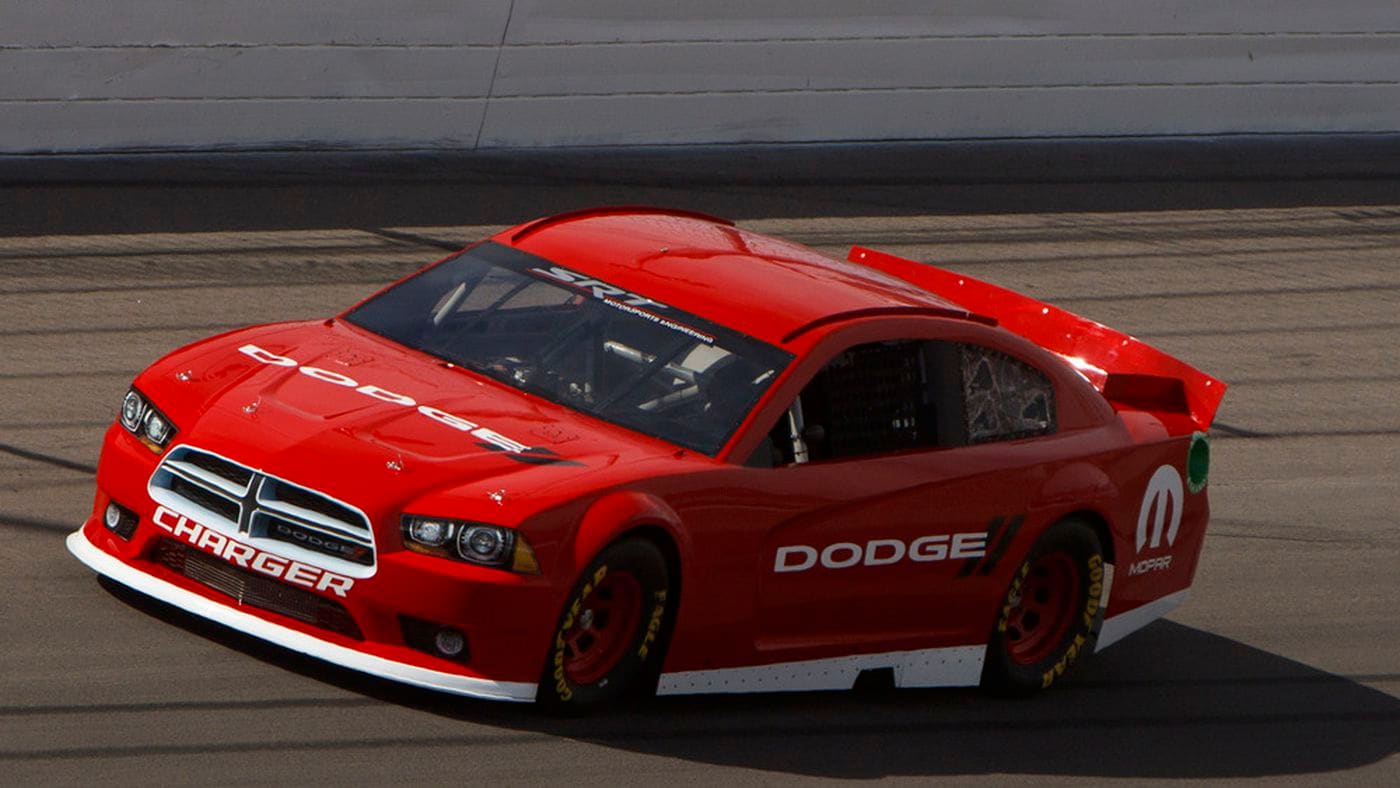
Dodge targeted muscle cars in the late 1960s and early 1970s. Along with the Charger, models like the Coronet R/T and Super Bee were popular with buyers seeking performance. The 1973 oil crisis caused significant changes at Dodge, as well as Chrysler as a whole and every other car in the industry.
Everything eventually came to a head in 1979 when Chrysler's new chairman requested and received federal loan guarantees from the United States Congress. With a Federal Loan in hand, Chrysler quickly set to work on new models that would start over again, while reorganizing to pay the government loan.
By the 1980’s, Chrysler was switching to smaller front-wheel drive designs. As the 1980s progressed, fewer private customers purchased cars like the Diplomat, and the M-body was eventually dropped during the 1989 model year. Through the late 1980s and 1990s, Dodge's designation as the sporty-car division was backed by a succession of high-performance and/or aggressively styled models including the:
Chrysler Corporation merged with Daimler-Benz AG in 1998 to form DaimlerChrysler. With this move, Dodge became DaimlerChrysler's low-price division as well as its performance division.
Recently in 2020, it was announced that Dodge will shift its focus to a performance marquee offering three core brands, Charger, Challenger, and Durango, starting with the 2021 model year.
Over the decades, Dodge has become known for its car output and many truck models, but after almost a century of manufacturing these cars, Dodge trucks went into a separate Ram brand.
Dodge was among the first to introduce car features to trucks. As part of the decline due to the gas crisis, Dodge eliminated their heavy-duty trucks in 1975.
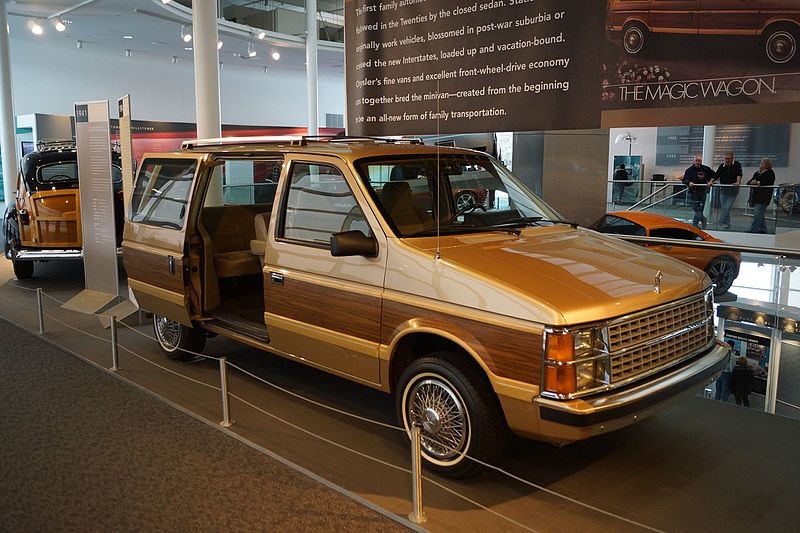
Dodge also offered their first purpose-built van model in 1964. As the market evolved, Dodge realized that a stronger van line would be needed in the future. Dodge also offered a cargo version of its best-selling Caravan for many years. First being called the Mini Ram Van and later the Caravan. The Grand Caravan became Dodge’s last minivan, as it was discontinued after the 2020 model year in order to introduce the Chrysler Voyager for the 2021 model year.
Dodge decided to enter the SUV arena in 1974 with the Ramcharger. Offering the open body style and V8 engines, the Ramcharger was a competitor for trucks like the Ford Bronco, Chevrolet Blazer, and International Harvester Scout.
The Ramcharger hung on through 1993 with only minor updates. When the Ram truck was redesigned for the 1994 model year, the Ramcharger was discontinued in the American and Canadian markets. Instead, Dodge tried something new in 1997. Using the mid-sized Dakota pickups chassis as a base, they built the four-door Durango SUV with seating for eight people and created a new idea on how SUV’s and Trucks can work together.
As you can see, Dodge has a rich history for over 100 years, much like Schmit Bros! We always have plenty of Stellantis products on our lot including Chrysler, Dodge, Jeep, and Ram brands. We can help you find what you’re looking for today!