



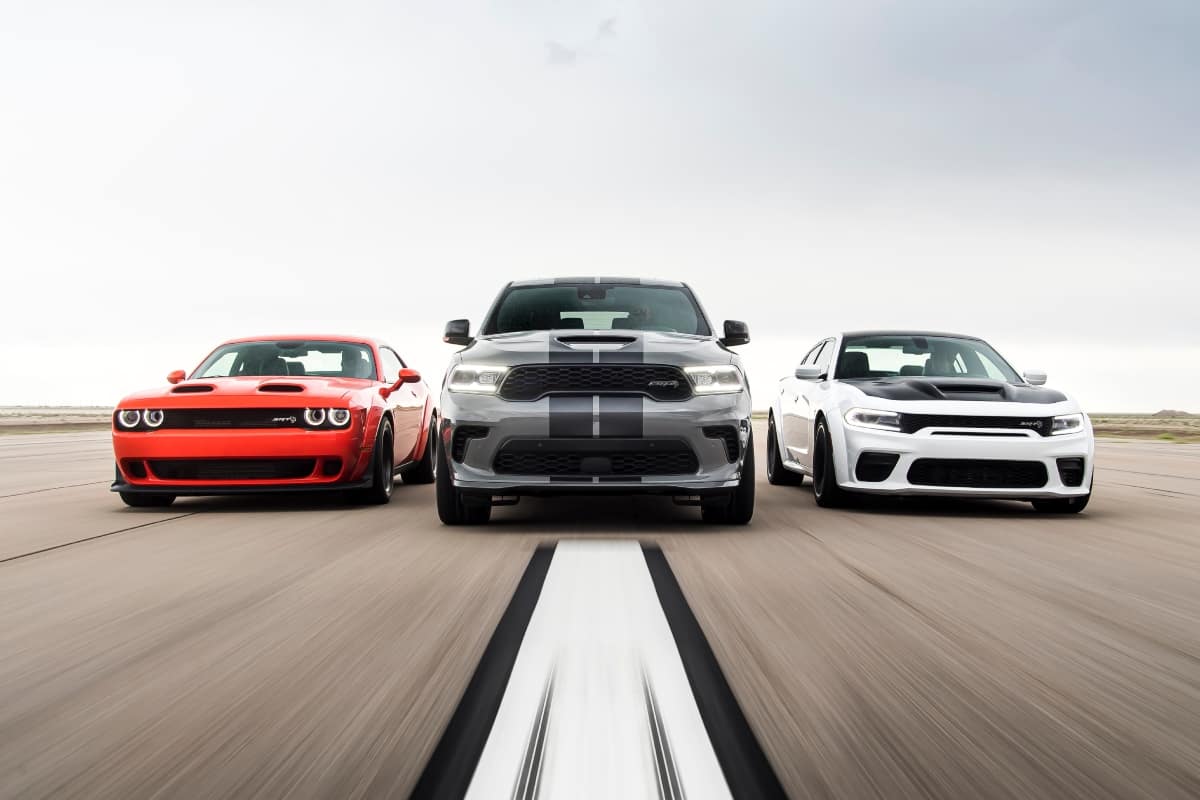
What makes a Dodge vehicle so great? Not every car goes down in history as a great car, so what makes the wall from your traditional Dodge vehicle to a great staple in the automotive community? These are vehicles that have stood the test of time as consumer favorites, broke boundaries in technology, or otherwise carved out a spot in American car culture.
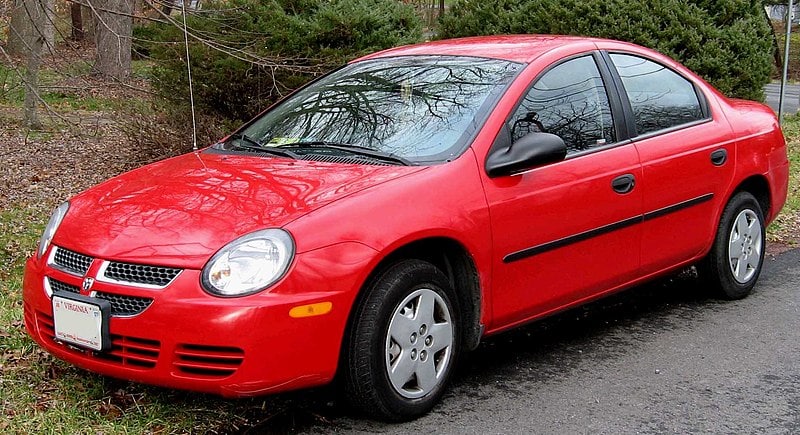
10. Dodge Neon (1995–2005)
The Dodge Neon came out with a purpose. It was initially designed to compete with Japanese motor companies in price and size, and eventually ended up even selling in Japanese markets! It was made focused on a less expensive price point but beloved for its sporty handling and sleek style. Sales of the Neon peaked during its first-generation production run, with more than 245,000 sold in the United States alone. It was discontinued during the year 2005.
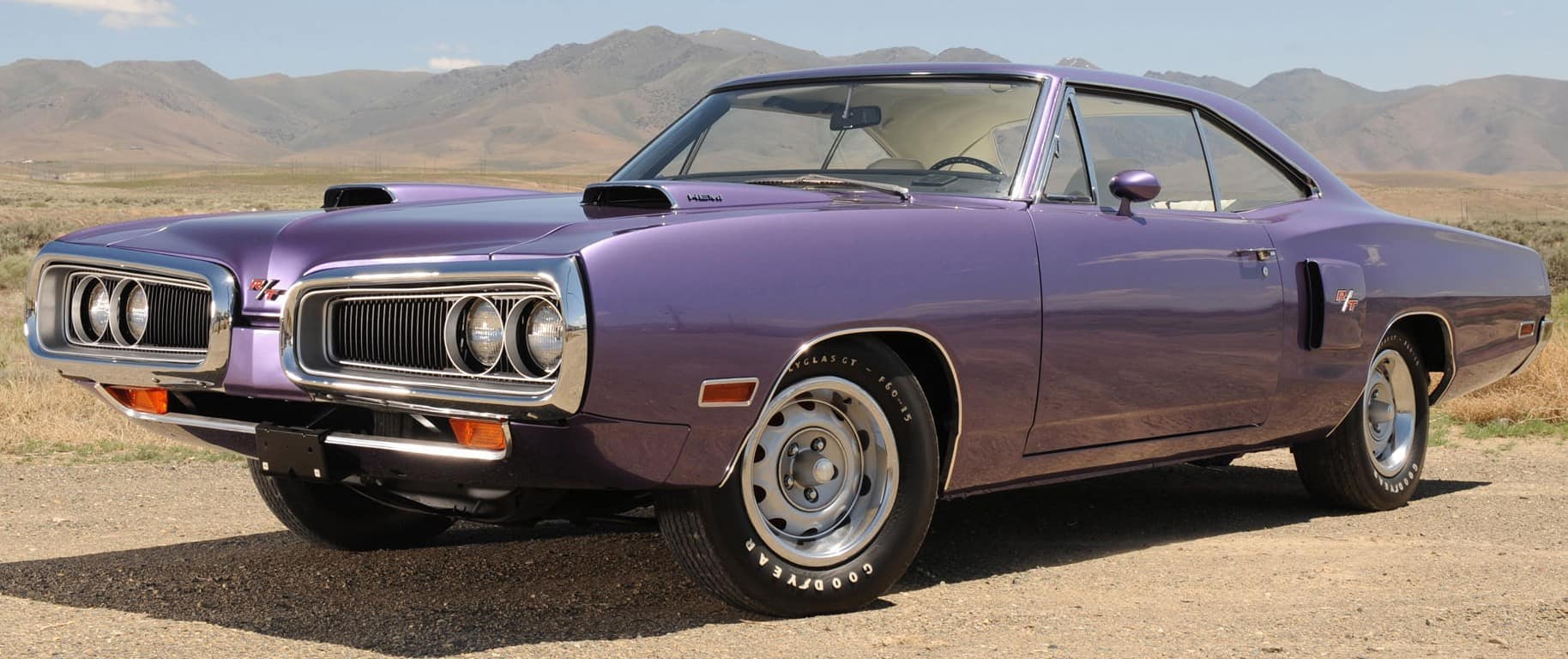
9. Dodge Coronet (1949–1976)
The Dodge Coronet’s first models were the top-of-the-line, post-war luxury offering. It could even come as an optional eight-passenger stretch limo! But by its second generation, it was a souped-up sports car with one of the first Hemi engines. In 1968, the hard-top or convertible two-door Coronet rivaled its contemporaries in the muscle-car market. Ironically, the Coronet was also produced with a station wagon body style and it went over well.
8. Dodge Dart (1960–1976) (2012-2016)
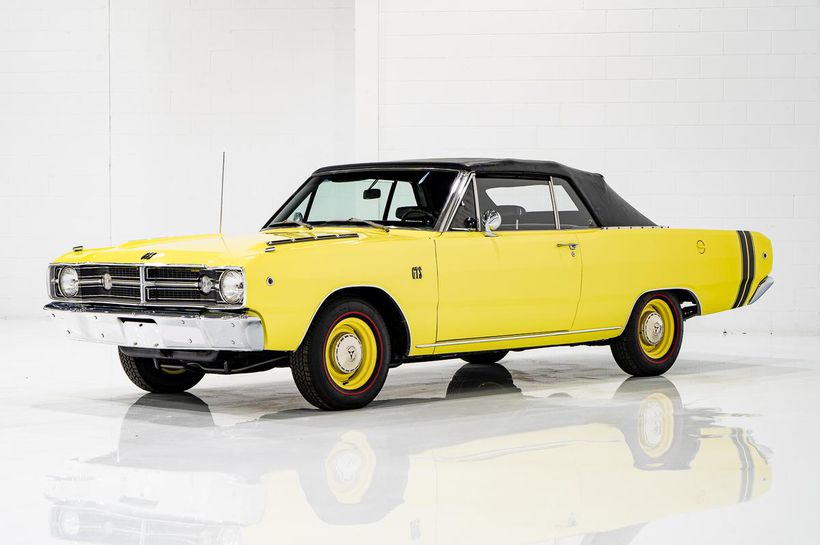
The OG classic Dodge Dart was a full-size, midsize, and compact car at one point or another. The Dart was offered as a sedan, a wagon, a coupe, a hardtop, and a convertible throughout the running. We’re focusing on the original Dart, not the revamp of 2012-2016, and with that framework, the Dart’s muscle car years were marked by the name to replace the Dodge Lancer. The 1968 Hemi Dart was a very limited production model, featuring a 426 Hemi that got the car going 130 miles per hour in 11 seconds or less. The Dart was phased out in 1976 when it was marketed alongside its slated replacement, the Dodge Aspen.
7. Dodge Ram (1981–2010)
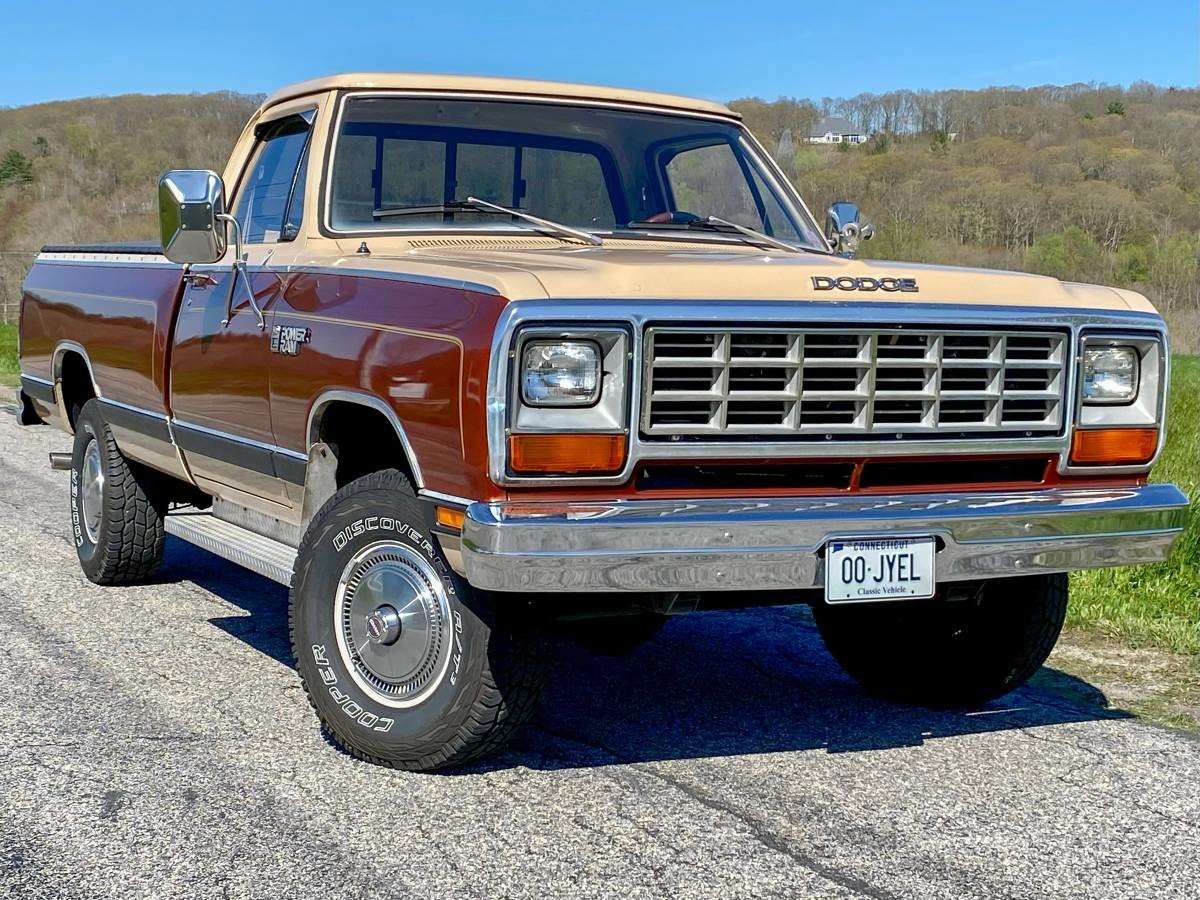
Todays Ram isn’t built by Dodge, which adds a lot of confusion into the mix, Its been its own brand since 2010 when Dodge started to move its focus to its line of cars and SUVs instead. From 1981 to 2010 production years, Dodge ran with the Ram, which built up an outstanding reputation for performance. The first generation of Dodge Ram pickups had a slant-six or V8 engine available, but things started to get really interesting in 1989 when Dodge introduced the Cummins Turbo Diesel. Sometime in the mid 90’s, Dodge listened to popular chatter in its car line and started introducing plush interior features for the Ram pickup trucks.
6. Dodge Magnum (2005–2008)
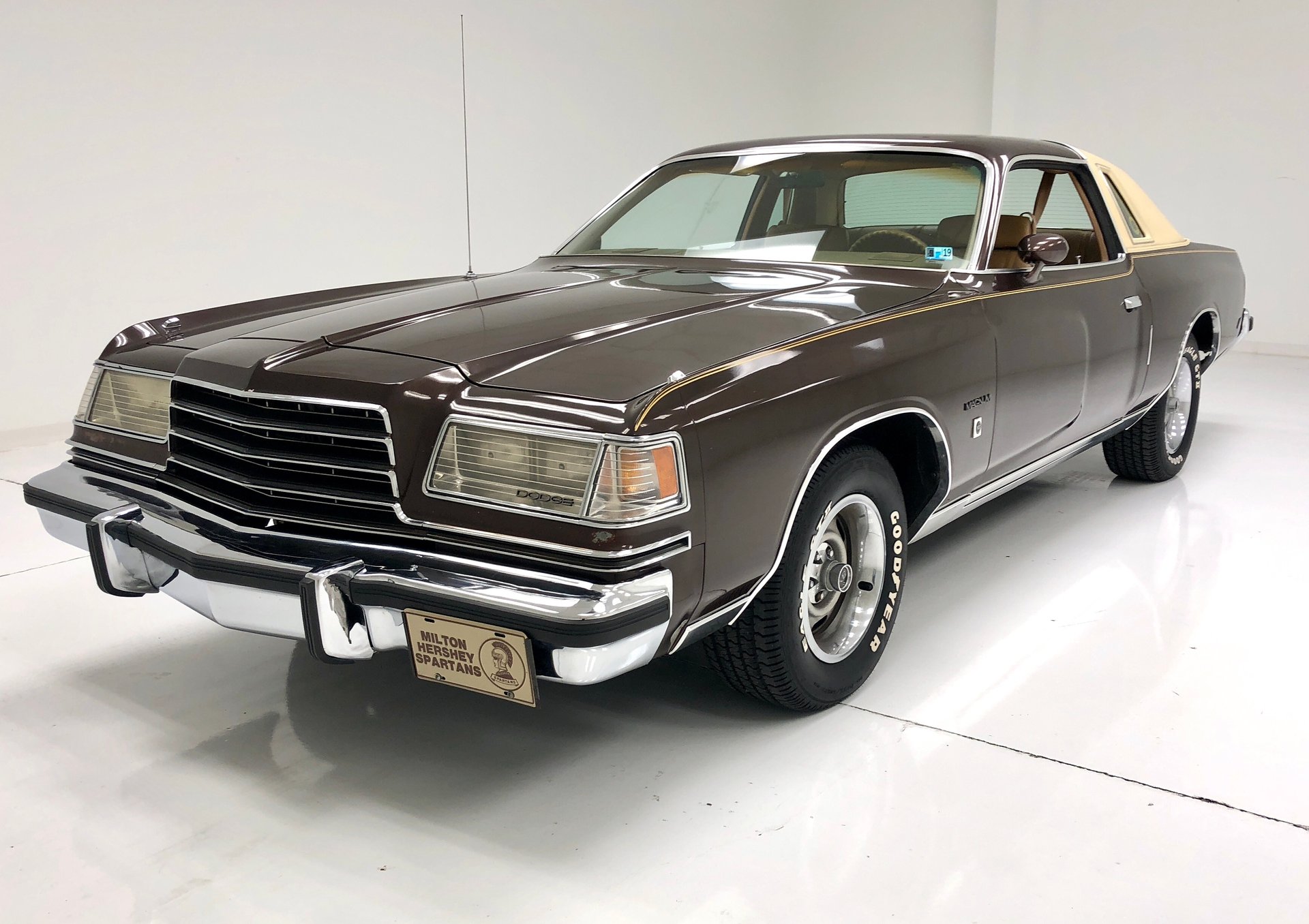
Before we start, we do need to acknowledge the Dodge Magnum name was initially applied to a two-door coupe sold in the United States in 1978 and 1979. This isn’t the Magnum we are talking about though. Starting in 2005, Dodge revamped the Magnum name for a rear-wheel-drive station wagon based on the Charger. The base 2.7-liter V6 engine had 186 horsepower, but the Magnum SRT8 had an available 6.1-liter Hemi V8 with up to 425 horsepower. The school carpool was never quite as fun after the Magnum was discontinued in 2008.
5. Dodge Avenger Sedan (2008–2014)
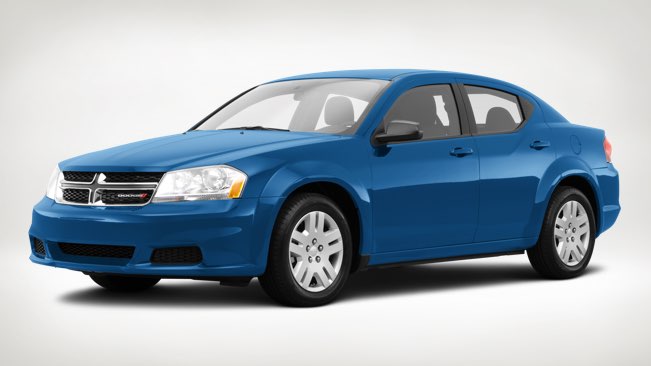
After a sport compact coupe in the 1990s, Dodge discontinued the Avenger in 2000 before reintroducing the newer version of the Dodge Avenger as a sedan in 2008, and that’s the model we are talking about today. The Avenger had a reputation for being powerful, reliable, and comfortable. It was even Dodge’s pick for the 2007 NASCAR Nextel Cup and gained recognition as a smooth-handling family car with the power of a muscle car. But, after 2012, the Avenger began to decline in sales. Other cars in its class flew past it and the Avenger was discontinued in 2014.
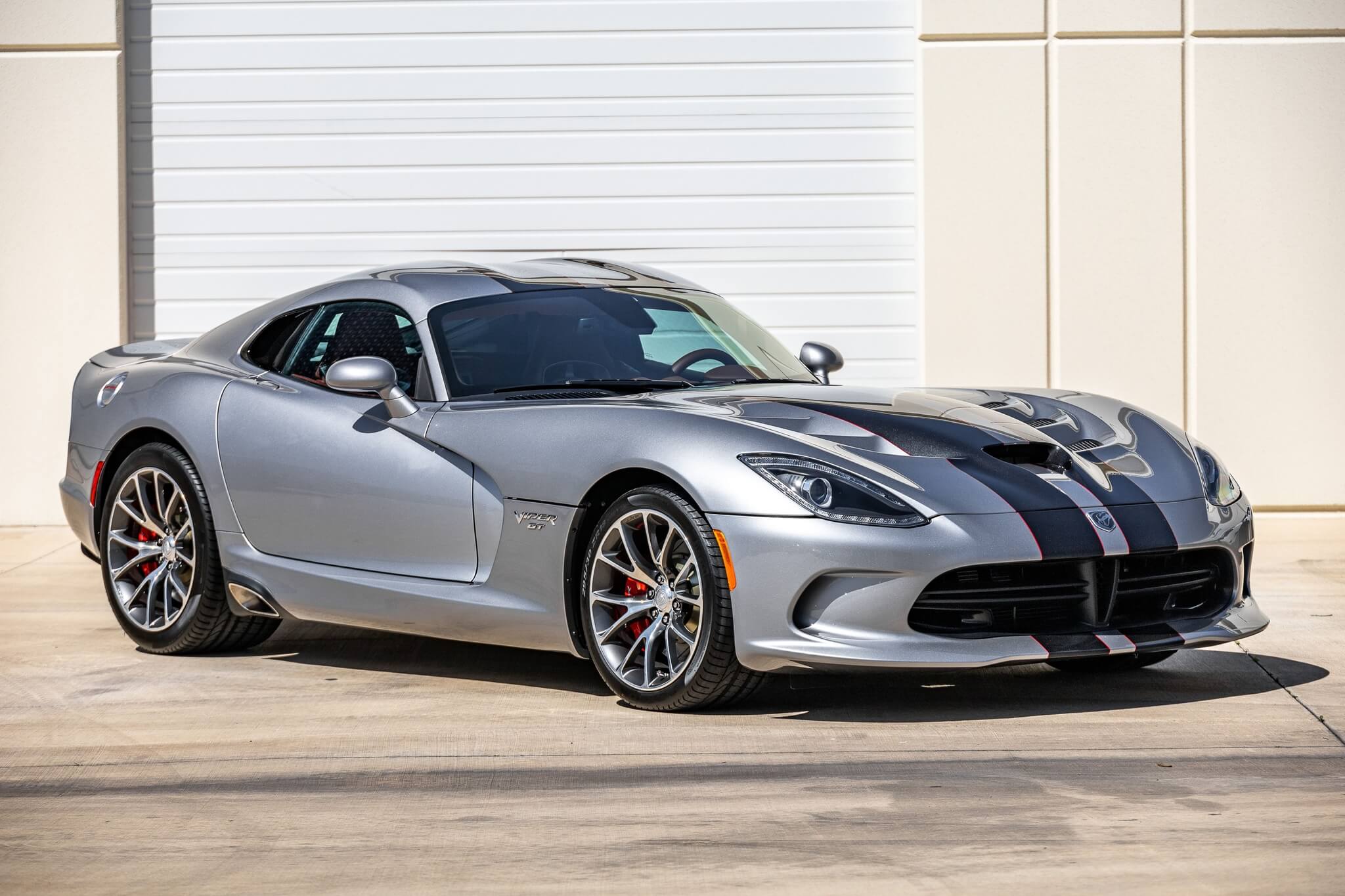
4. Dodge Viper (1991–2010; 2013–2017)
The Dodge Viper was designed with speed in mind. The design focus was so intent on its capability for acceleration and power, the Viper looked past the basic standards for comfort in a car. The first-generation Viper roadster wasn’t for everyone. A lot of unique designs made it hard for people to enjoy the ride, even though it was FAST. But, without anti-lock brakes, airbags, or air conditioning, the Viper R/T 10 hit a 0 to 60 time of 4.2 seconds and could go over 160 mph in 1992. Viper then carried on the roadster’s speed legacy but also introduced the Viper GTS coupe, which offered a few basic amenities—like actual glass windows, airbags, and climate control. Despite being the soft version of the Viper, the GTS still hit 450 horsepower. The coupe continued developing through five generations of Vipers, even adding standards like airbags and headrests along the way, before its final production year in 2017, when the Dodge Viper VX-I reached 645 horsepower and 600 foot-pounds of torque.
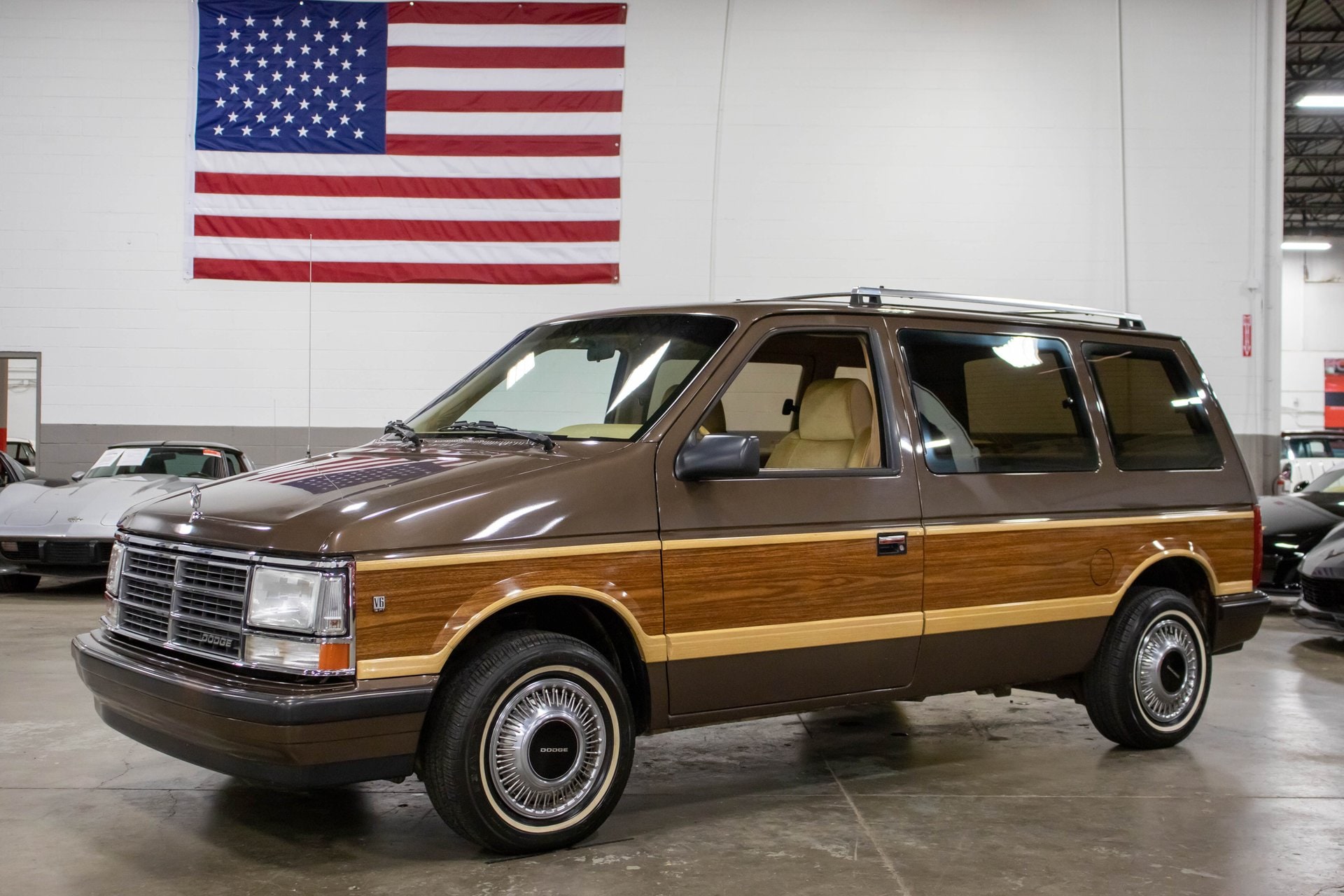
3. Dodge Caravan (1984–2020)
It’s argued that the Dodge Caravan and the Dodge Grand Caravan both brought on the age of the American minivan. The Dodge Caravan came out in 1984, selling an unbelievable amount of minivans in its first production year. The Caravan was universal, saying goodbye to its station wagon competitors with more room and more power. But, as with most other minivans, sales for the Caravan started to decline in the early 2000’s because of SUV’s and crossovers and it was discontinued in 2020.
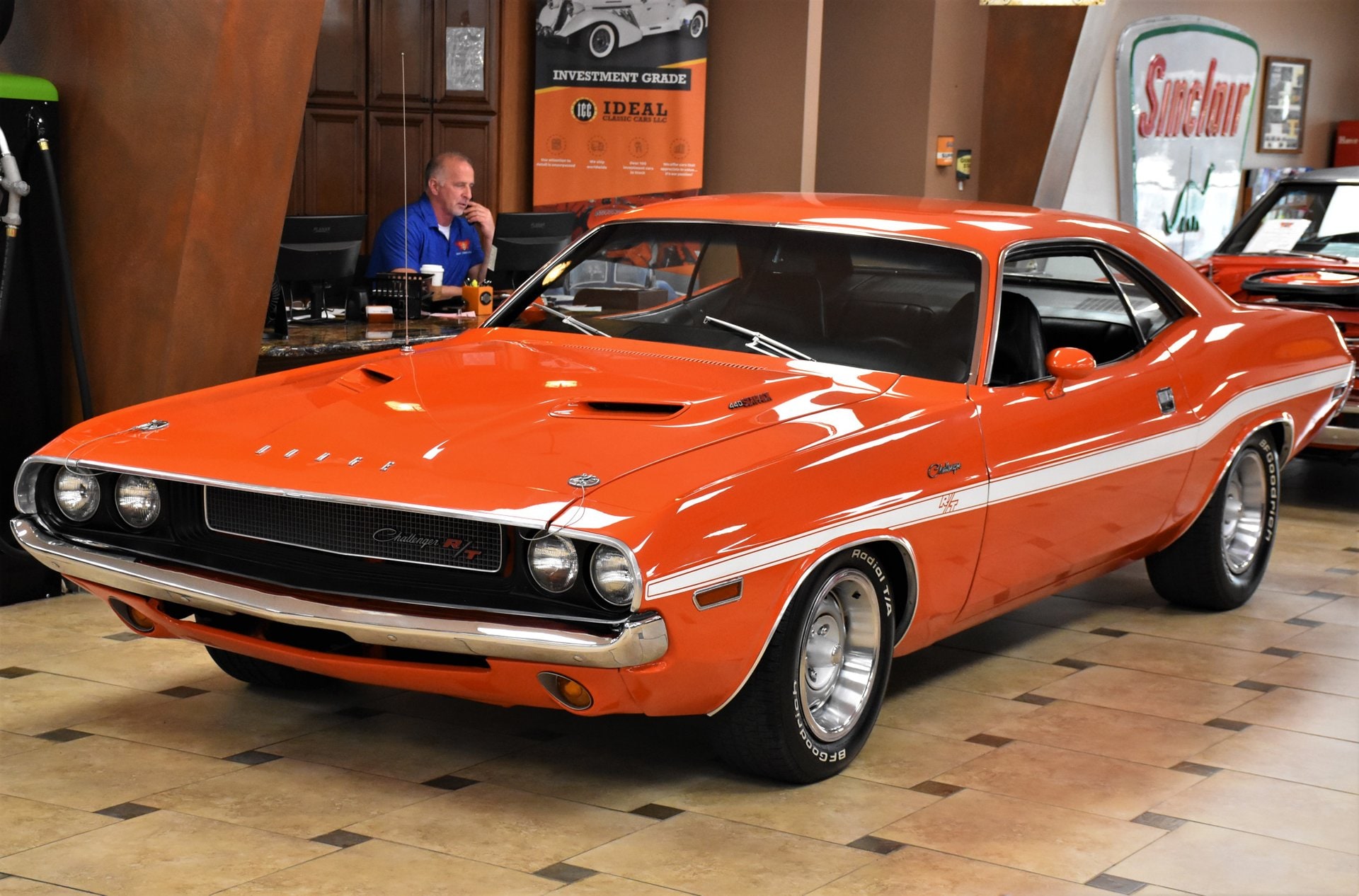
2. Dodge Challenger (1969–1974; 1977–1983; 2008–present)
The Dodge Challenger was born out of the Dodge Coronet Challenger, which debuted in the 1959 Coronet model line. Produced as a pony car in its first generation, the Dodge Challenger has enjoyed a long run of sports car success. The third-generation Dodge Challenger got back to its roots, as a full-size muscle car running on a range of powerful engines, from a 3.5-liter V6 to a 6.4-liter Hemi overhead-valve V8. The first generation has a 426 Hemi and classic pony car performance and styling. The latest generation is more reliable and more powerful, and time will tell if it goes down in history as a classic.
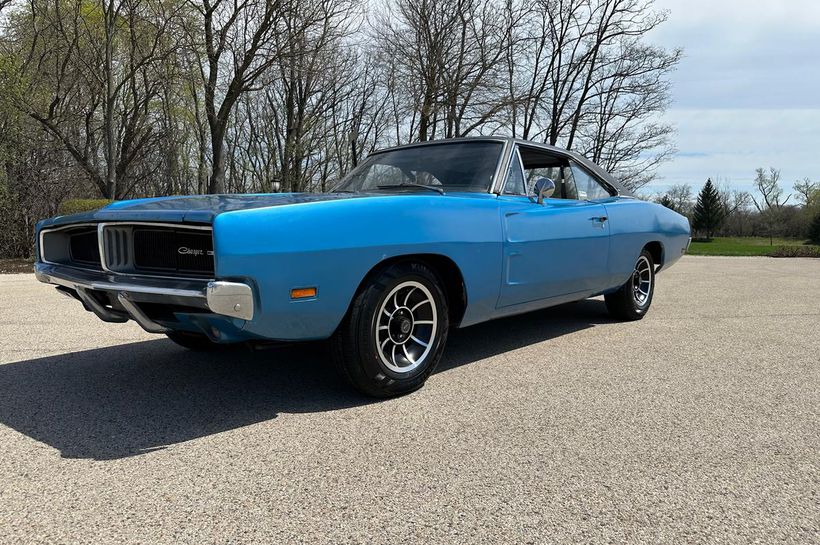
1. Dodge Charger (1966–1978; 1981–1987; 2005–present)
It’s a hard pick between the Dodge Challenger and Dodge Charger but ultimately, the Charger lands in the No. 1 spot because its versatility, size, and power. The Charger was introduced as a larger two-door pony car in 1966, and despite a few enhancements and modifications, it retained its fastback two-door build through the 1978 model year, when production was halted for the first time. From 1981 to 1987, it was produced as a more economical subcompact hatchback coupe. A Shelby version of the Charger upped the cool factor, especially with an added turbo in 1984. Finally, with its third inception starting in 2005, the Dodge Charger returned to the road as a powerful four-door sedan with enhanced performance and a luxurious feel, all powered by a big V8 engine.